London’s Top Choice: Award-Winning Clinic for Exceptional Eye Care
Understanding Glaucoma: Symptoms, Risks & Treatments
Glaucoma is a leading cause of blindness worldwide, often progressing without noticeable symptoms until significant vision loss occurs. Early detection and appropriate treatment are crucial to preserving sight. At London Ophthalmology Centre (LondonOC), we specialise in advanced glaucoma care, offering personalised treatment plans tailored to each patient's needs.
What is Glaucoma?
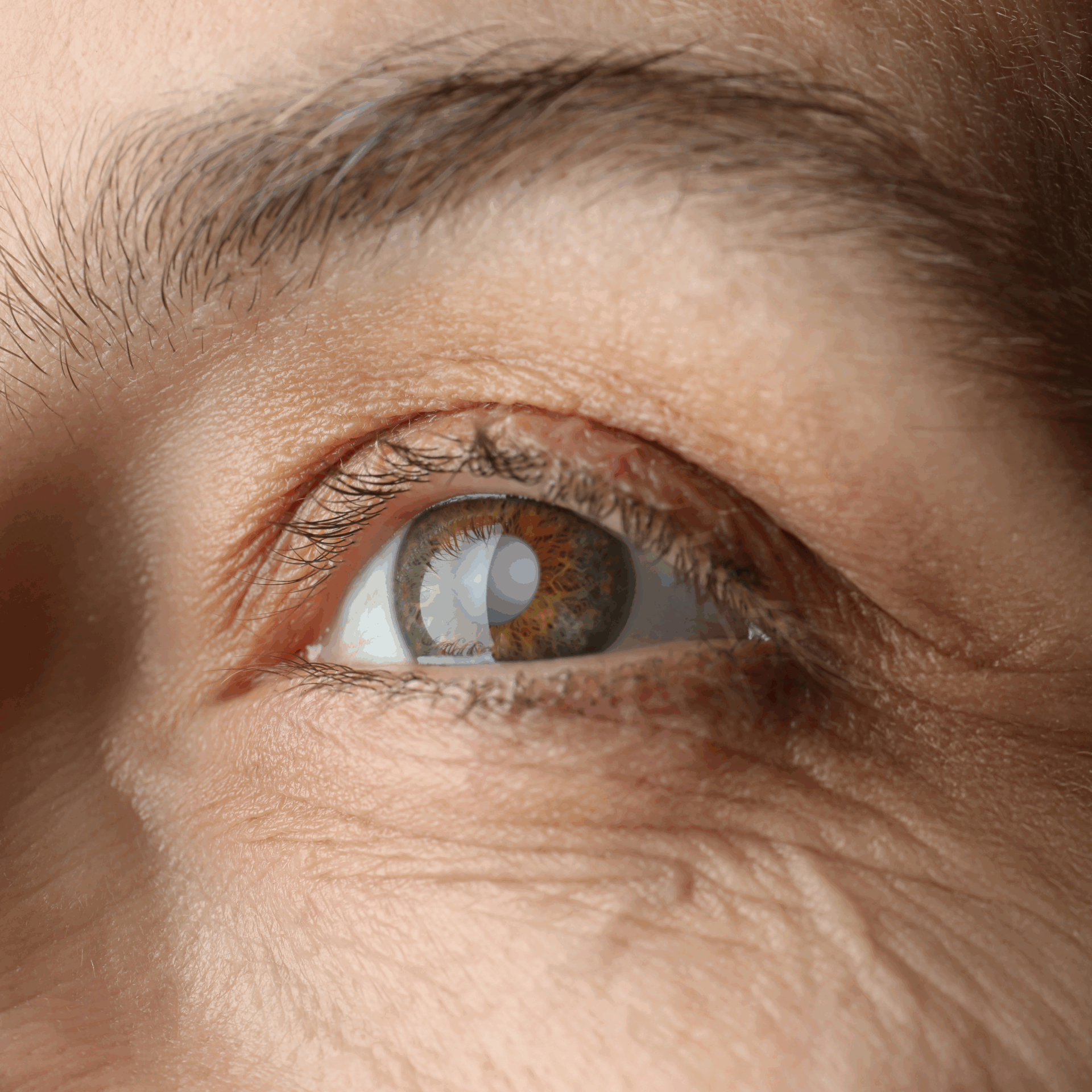
Glaucoma is a group of eye conditions that damage the optic nerve, often due to increased intraocular pressure (IOP). Over time, this damage can lead to permanent vision loss. It's estimated that 1 in 50 people over the age of 40 will develop glaucoma.
Types of Glaucoma
Open-Angle Glaucoma: The most common form, where the eye's drainage canals become clogged over time.
Angle-Closure Glaucoma: Occurs when the iris bulges forward to narrow or block the drainage angle formed by the cornea and iris.
Normal-Tension Glaucoma: Optic nerve damage occurs despite normal IOP levels.
Secondary Glaucoma: Results from other conditions like eye injuries or inflammation.
Risk Factors
While anyone can develop glaucoma, certain factors increase the risk:
Age over 40
Family history of glaucoma
High intraocular pressure
Thin corneas
Medical conditions like diabetes or hypertension
Symptoms to Watch For
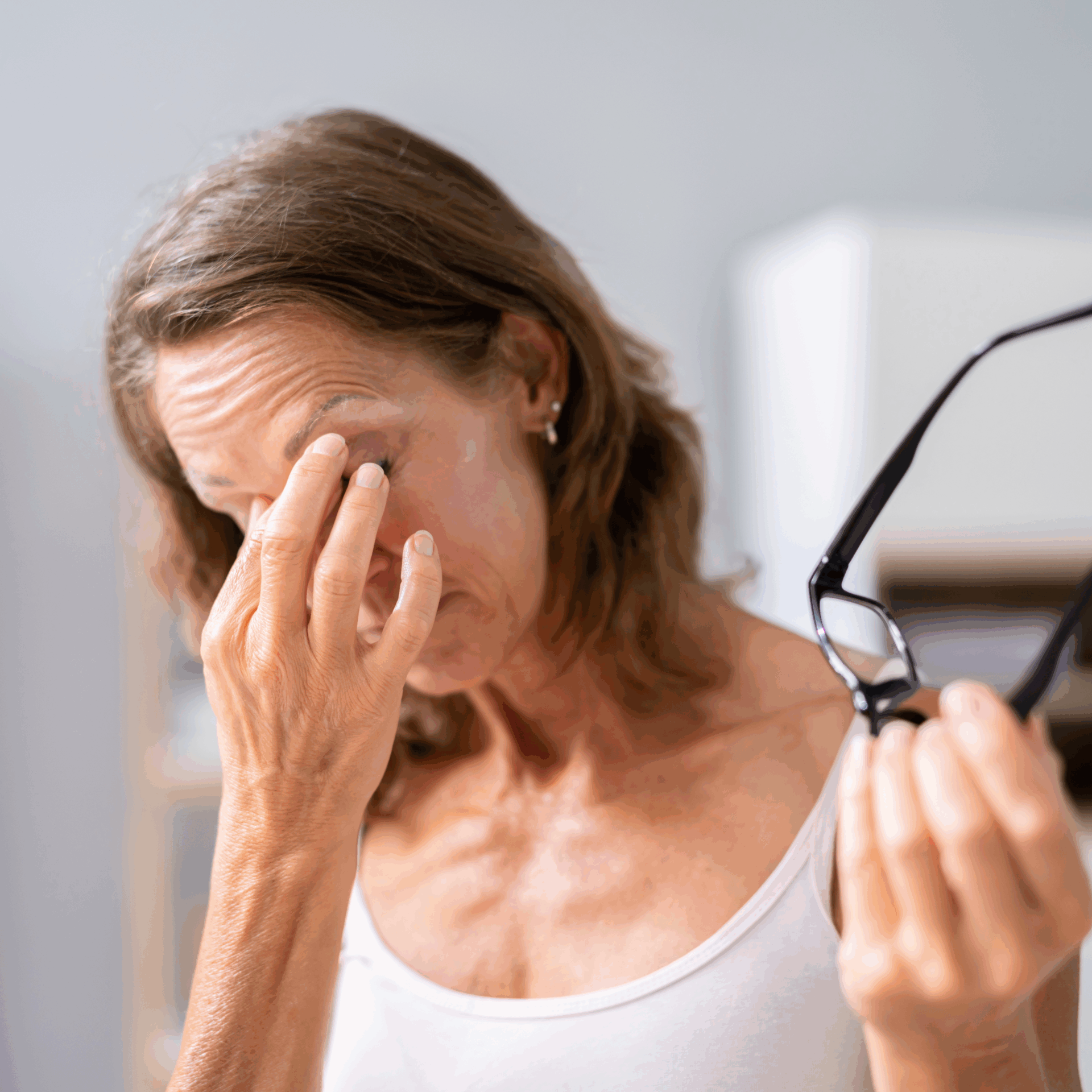
Glaucoma often develops slowly and without noticeable symptoms. However, in advanced stages, symptoms may include:
Loss of peripheral vision
Halos around lights
Eye pain
Nausea and vomiting
Sudden loss of vision (in acute cases)
Read our blog on Early Signs of Glaucoma here.
Read our blog on why regular eye exams are crucial for detecting glaucoma early here.
Diagnosis at LondonOC
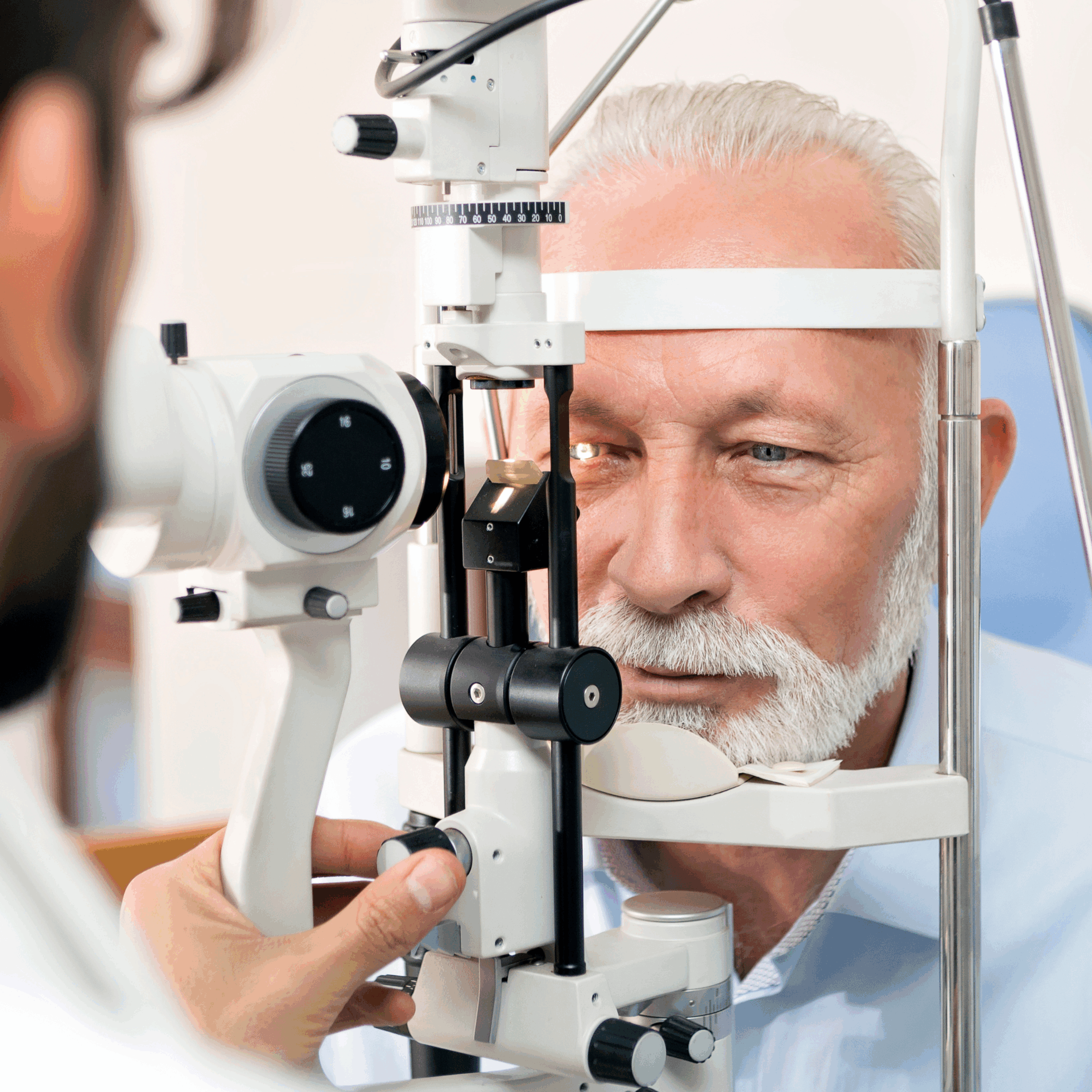
At LondonOC, we utilise state-of-the-art diagnostic tools to assess and monitor glaucoma:
Optical Coherence Tomography (OCT): Provides detailed images of the optic nerve.
Visual Field Testing: Detects peripheral vision loss.
Tonometry: Measures intraocular pressure.
Gonioscopy: Examines the drainage angle of the eye.
Read our blog on Glaucoma risk factors: Who should get checked in London here.
Treatment Options
Treatment aims to lower intraocular pressure to prevent further optic nerve damage. Options include:
Medicated Eye Drops: Reduce eye pressure by improving fluid drainage or decreasing fluid production.
Laser Therapy: Selective Laser Trabeculoplasty (SLT) is a non-invasive procedure that enhances fluid drainage.
Minimally Invasive Glaucoma Surgery (MIGS): Techniques like the XEN Gel Stent and OMNI Surgical System offer safe, effective pressure reduction with quicker recovery times.
Traditional Surgery: In cases where other treatments are ineffective, surgical options may be considered.
Read our blog on Laser vs. Surgical glaucoma treatments: Which is right for you? here.
Read our blog on Minimally invasive glaucoma surgery: A breakthrough in eye care here.
Why Choose LondonOC?
Expertise: Led by renowned glaucoma specialists, including Mr. Vik Sharma.
Advanced Technology: Access to the latest diagnostic and treatment equipment.
Personalised Care: Tailored treatment plans to meet individual patient needs.
Convenient Location: Based in the heart of London's Harley Street.
Read our blog on Top Glaucoma Treatment Options at London Ophthalmology Centre here.
Read our blog on Meet the best glaucoma specialist in London: Mr. Vik Sharma here.
Read our blog on Patient success stories: Saving sight with advanced glaucoma care here.
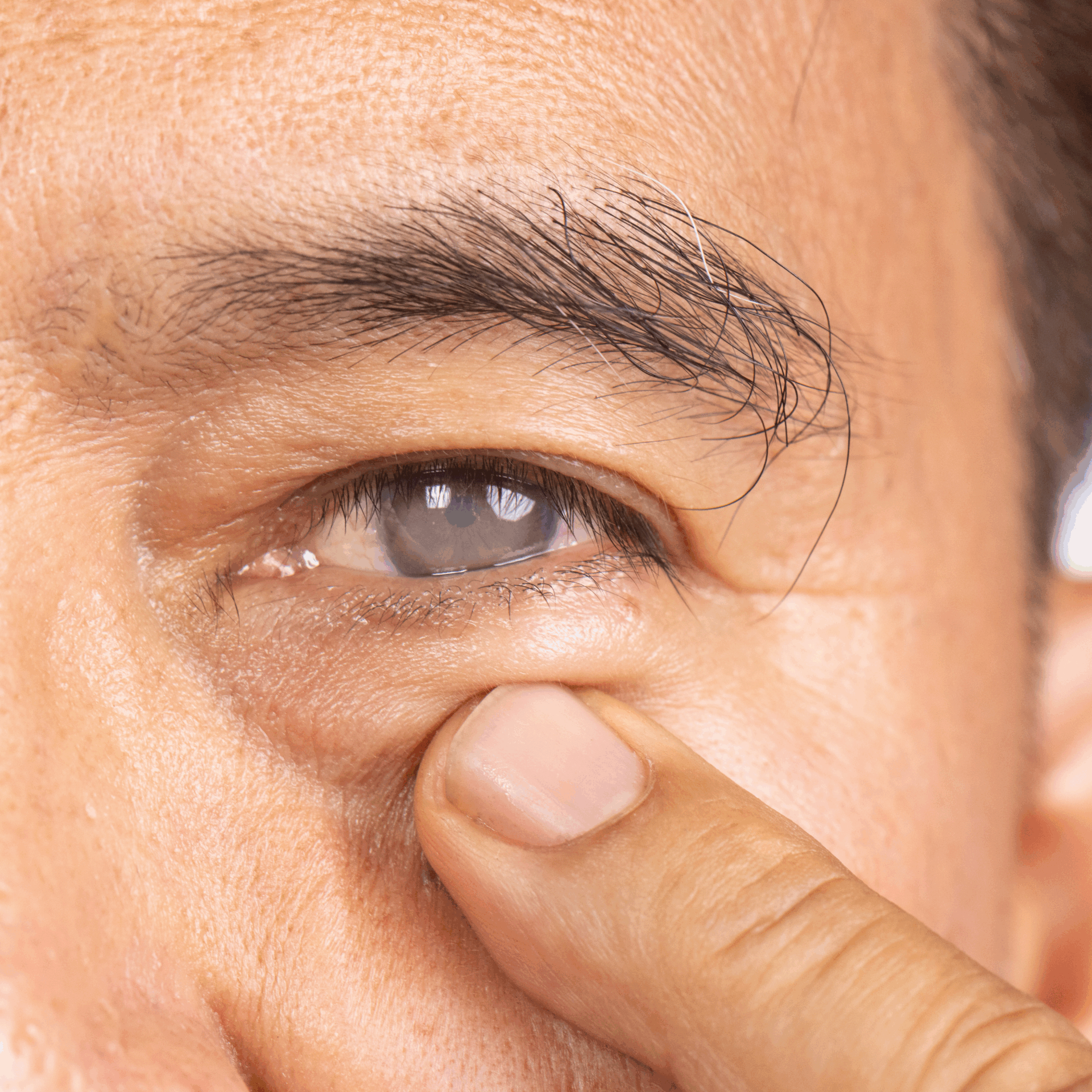
If you're experiencing symptoms or have risk factors for glaucoma, early detection is key. Contact LondonOC today to schedule a comprehensive eye examination.
Get in touch with LondonOC
Our prestigious private eye clinic is based in the heart of London's world-famous Harley Street. With in-house diagnostic and treatment facilities, you won't need to look any further.
Outpatients (Clinic Appointments)
99 Harley Street, London, W1G 6AQ
Ophthalmology Surgery Centre
13-14 Fitzroy Square, London W1T 6AH
Email: info@londonoc.co.uk
Phone: 020 7000 3193
Phone: 0800 7569993
We are open from Monday - Friday 9am-7pm
We will contact you directly within the next 1-2 business days. For any urgent enquiries, please call us.